
As technology continues to advance, it's no surprise that the way we manage our finances is also changing. Mobile payments are becoming increasingly popular, allowing us to make purchases with just a few taps on our smartphones. But what does the future of mobile payments hold? Let's explore some of the technological advancements and their potential impact on society.
Mobile Payment Apps
First, we have biometric authentication. Instead of relying on a password or PIN, biometric authentication uses physical characteristics to verify your identity. This can include fingerprints or facial recognition. Not only is it more secure than traditional authentication methods, but it's also incredibly convenient. No more struggling to remember your password or typing a long string of numbers – just a quick scan and you're ready.

Of course, with any technology that relies on personal data, there are privacy concerns. Some people worry that biometric data could be used for malicious purposes or stolen by hackers. However, as long as companies take appropriate precautions and encrypt the data, biometric authentication remains as secure as any other method. When it comes to Bosnia and Herzegovina, the following is available: Lova app. This app allows you to easily make payments by scanning a QR code, as well as send and receive money to other Lova users with just a few clicks.
Cryptocurrency Payments
Another advancement in mobile payments is cryptocurrency payments. Although still relatively new and volatile, cryptocurrencies like Bitcoin and Ethereum offer a level of decentralization and anonymity that traditional payment methods cannot match. In many cases, they eliminate the need for an intermediary, such as a bank or payment processor, which can lead to lower fees and faster transactions. However, cryptocurrencies are not without their drawbacks. The volatility of their value makes them risky investments, and they can also be confusing and difficult to understand. Furthermore, the lack of regulation means there's no safety net if something goes wrong. Therefore, it's important to invest in verified and legally regulated crypto platforms. One potential solution to these problems is the development of stablecoins. These are cryptocurrencies pegged to a stable asset, such as the US dollar. This means their value is much more predictable, and they can be used for everyday transactions without the risk of losing value overnight.
What are the benefits of mobile payment advancements for society?
So, what impact could these advancements in mobile payments have on society? For one, they could make financial transactions more accessible to people who previously had limited options. For example, those without access to traditional banking services could use cryptocurrencies to make purchases and send money. Additionally, the convenience and speed of mobile payments could lead to increased consumer spending, which could stimulate the economy. On the other hand, there's concern that the rise of mobile payments could lead to a cashless society, which might have negative consequences for those who rely on cash, such as the elderly or the homeless.
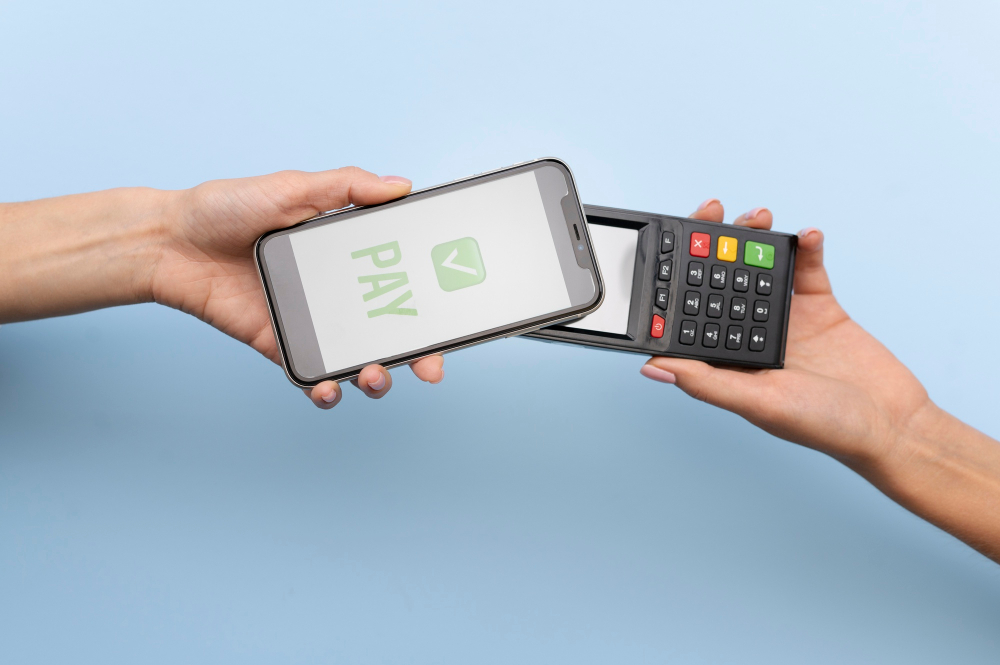
Overall, the future of mobile payments is both exciting and uncertain. As with any new technology, there will be both advantages and disadvantages, and it's up to us to weigh them carefully. But one thing is for sure – mobile payments are here to stay and will only become more advanced as time goes on. So, the next time you're at the checkout and rummaging through your wallet for the right card, take a moment to appreciate the convenience of mobile payments. Who knows – in a few years, we might be paying with our voice or even our thoughts. And if that happens, just be sure to keep your inner monologue to yourself while in the checkout line. You never know who might be listening.

