
In today's digital age, financial transactions have become more convenient than ever before. With the rise of technology, two payment methods have emerged: digital wallets and traditional banking. Both offer unique features and benefits, but which is the better option? Let's look at a comparison between digital wallets and traditional banking.
About Digital Wallets
Digital wallets, also known as e-wallets or mobile wallets, are digital versions of physical wallets that allow users to store and manage their money electronically. They can be accessed via smartphones or other mobile devices. Digital wallets offer a range of functionalities such as online payments, fund transfers, and even contactless payments using Near Field Communication (NFC) technology.
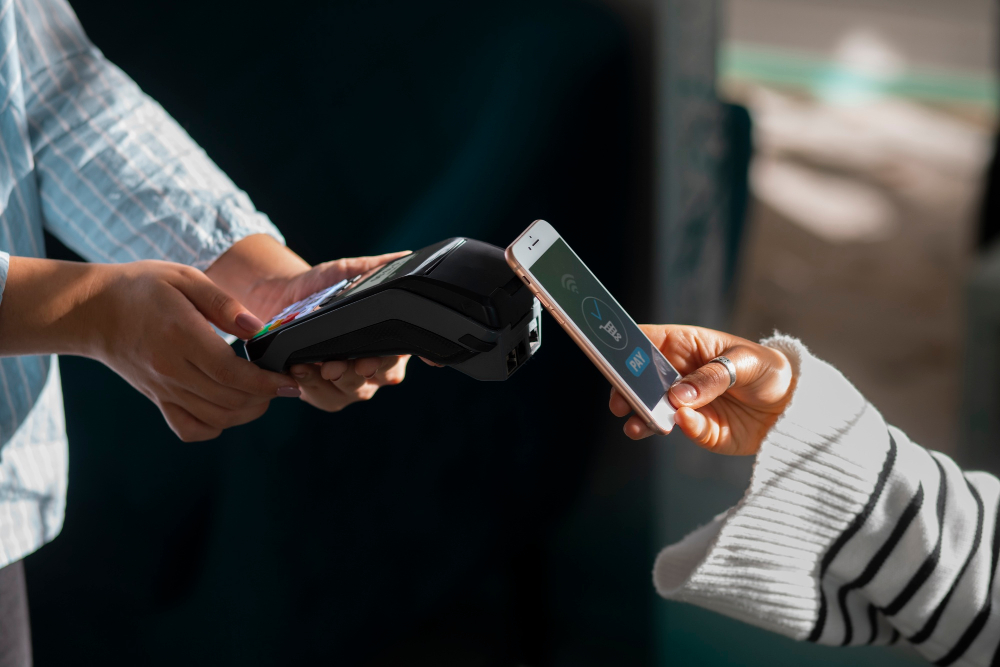
A digital wallet available in Bosnia and Herzegovina is Lova app. With this app, you have the option to pay by scanning a QR code and send money to other Lova users in just a few clicks. Additionally, besides the KM wallet, the app also offers access to crypto wallets. This is made possible by the collaboration between Lova and BCX, as the only registered crypto platform in Bosnia and Herzegovina. One of the primary advantages of digital wallets is convenience. With just a few taps on your mobile device, you can instantly make payments or transfer money. You no longer need to carry cash or visit a physical bank branch. Digital wallets also offer features such as expense tracking and budgeting tools, allowing users to closely monitor their spending habits. Additionally, digital wallets often integrate loyalty programs and rewards, making them attractive to users seeking extra benefits.
About Traditional Banking
On the other hand, traditional banking has been the conventional method of managing finances for centuries. It involves physical banks and branches where clients can interact with bank representatives and access a wide range of services. Traditional banking offers a sense of security and stability, as it is regulated by established financial institutions and governments. Deposits in traditional banks are typically insured by the state, providing an additional layer of protection for clients' money. One of the key advantages of traditional banking is the wide array of services offered. From savings accounts and loans to investment options and financial advice, traditional banks provide a comprehensive suite of financial solutions.
Digital Wallets vs. Traditional Banking
When comparing the security aspect, both digital wallets and traditional banking have their advantages. Digital wallets employ various security measures such as encryption, biometric authentication, and tokenization to protect users' financial information. However, they are not immune to cyber threats and hacking attempts.

Traditional banking, on the other hand, has established security protocols and layers of verification to protect client accounts. Requirements for physical presence and identification add an extra layer of security that digital wallets might lack. Cost is another factor to consider when weighing the options. Digital wallets often offer lower transaction fees compared to traditional banking. Many digital wallet providers also waive fees for basic services like money transfers. Traditional banks, on the other hand, may have higher fees for services such as bank transfers or international transactions. However, it's important to note that digital wallets may have their own costs for certain features or additional services, so it's crucial to compare the specific fees associated with each platform.
Conclusion
The choice between digital wallets and traditional banking depends on individual preferences and requirements. Digital wallets offer convenience, speed, and innovative features, making them ideal for tech-savvy individuals who prioritize mobility and simplicity. Traditional banking, on the other hand, provides a comprehensive range of services, personal assistance, and a sense of stability that can be appealing to those who value face-to-face interaction and trust in established financial institutions. Ultimately, it's worth considering that the future of finance is increasingly digital. Many traditional banks are embracing technology and offering their own digital wallet solutions. The line between digital wallets and traditional banking is blurring as both sectors strive to offer the best of both worlds. As technology continues to evolve, it is highly likely that we will see further integration and convergence of these two options, giving users more flexibility and choice in managing their finances.

