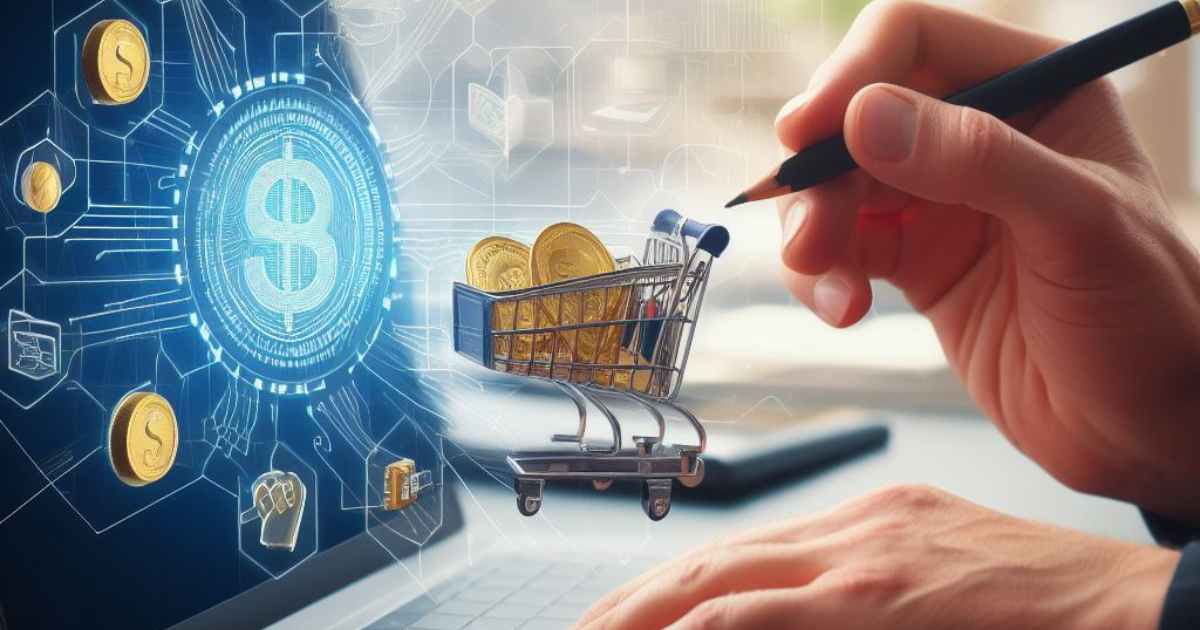
Today, in an era of accelerated technological advancement, payment methods are undergoing significant transformations. From traditional payment methods to modern digital alternatives, the path that led to digital money is marked by continuous development.
In this article, we will explore the evolution of payment methods, focusing on digital monetary transactions and the technology that enables them.
E-commerce: The First Path of Change
E-commerce - online shopping, or electronic commerce, marks the beginning of a digital revolution in the way we make purchases. At the beginning of the 21st century, the internet became the primary place for buying products and services. Customers could browse products, order them online, and pay via credit cards or other electronic payment methods.
Advantages:
- Reduced need for physical store visits
- Greater convenience and a wide selection of products
Disadvantages:
- Risk of cybercrime and identity theft
- Transaction processing costs
Digital Money: A Revolution in Payment Methods
With the development of digital monetary systems, payment methods are undergoing a significant change. Digital money allows users to conduct transactions via their digital devices, whether it's a smartphone or a computer. Here are the key changes in payment methods:
QR Code Scanning Payments:
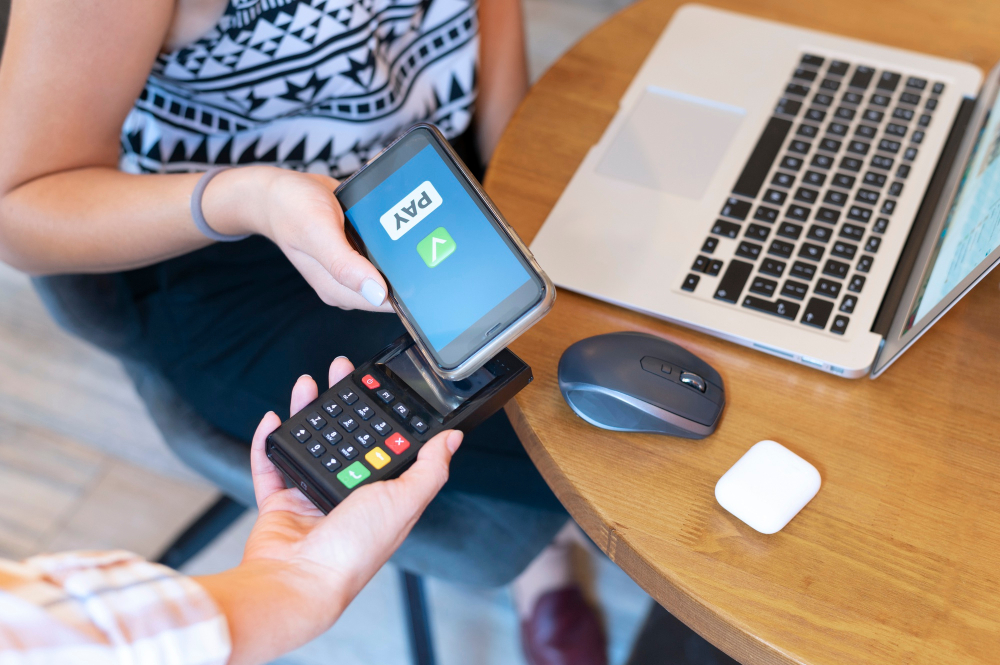
QR code scanning payments have become a popular and practical solution. Users simply scan a QR code with their phone, thereby completing the transaction. This method is fast and efficient, and it enables secure transfer of funds.
Advantages:
- Fast and easy to use
- Increased security thanks to encryption
Disadvantages:
- Specific infrastructure is required to support QR payments
Cryptocurrency payments
Cryptocurrencies have brought a completely new dimension to payment methods. People worldwide use digital currencies like Bitcoin for buying and selling products and services. Cryptocurrencies enable anonymity and fast transactions, but there are also challenges related to their volatility.
Advantages:
- Fast and global transactions
- User anonymity
Disadvantages:
- Cryptocurrency price volatility
- Education on secure digital money storage is required
Money transfer apps
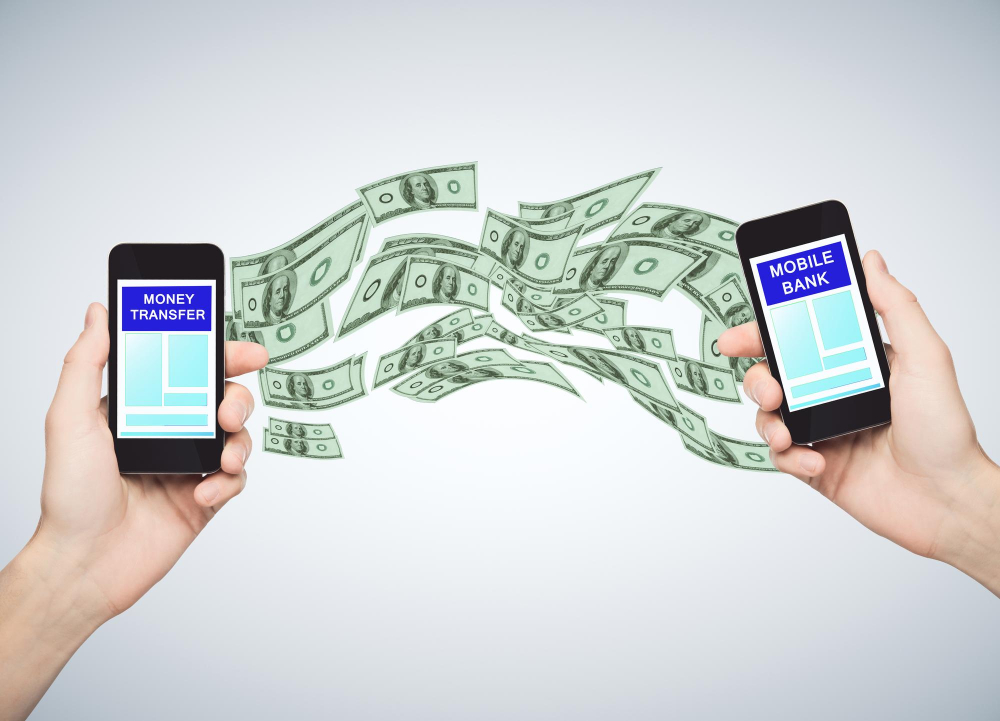
Money transfer apps have become ubiquitous. Companies like Lova platforms enable users to quickly and easily send money to others via their mobile devices.
Advantages:
- Fast and easy to use
- Suitable for international transactions
Disadvantages:
- Internet connection required
- Transaction processing fees
Conclusion
The evolution of payment methods is an unstoppable process. From e-commerce to digital money, steps have been taken to facilitate and accelerate everyday commerce. Regardless of the advantages and disadvantages of each payment method, it's important for users to be educated and aware of the risks and benefits each option offers. Whatever your preferences, digital money is here to stay and is modernizing the way we conduct transactions.
If you want to explore the world of digital money and try out practical payment methods, don't hesitate to download the Lova app and register. Become part of the digital revolution and take advantage of all the benefits it offers.
With the Lova app you will have a digital wallet on your phone that you can use to pay in stores or settle your utility bills. Additionally, you also gain access to cryptocurrencies that you can send, receive, or use for payments.

