
Cryptocurrencies have gained significant traction in recent years, evolving from a niche technology into a mainstream form of digital currency. As their popularity continues to grow, the way we make payments is also changing. Mobile applications are at the forefront of this technology, empowering users to conduct secure crypto transactions. In this article, we will explore the future of crypto payments and the crucial role mobile apps play in reshaping how we manage financial transactions.
Convenience and Accessibility
Mobile applications have become an integral part of our daily lives, enabling us to perform various tasks on the go. The integration of cryptocurrencies into these apps has made them even more indispensable. With just a few taps on a smartphone screen, using mobile payment apps, users can now effortlessly send and receive crypto payments. This convenience and accessibility are driving the adoption of cryptocurrencies as a preferred payment method. With the Lova app, you have the option to pay in BiH. After downloading the app, you need to register (see how), and then you'll have access to your KM and crypto wallets. You can also make payments from your crypto wallets by simply scanning a QR code. It's important to note that the merchant receives KM currency because an automatic conversion from crypto to KM occurs during payment. You can find locations where Lova payments are available at this link.
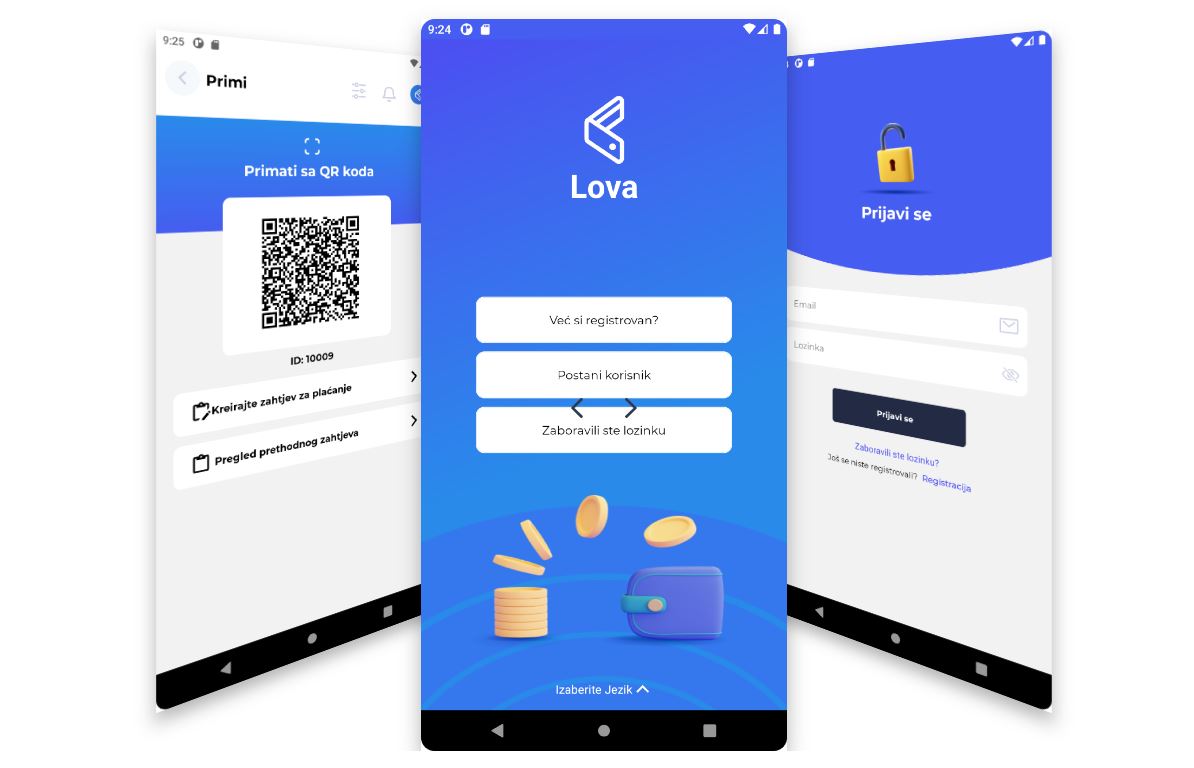
Mobile applications provide an intuitive user experience that simplifies the complexities associated with crypto transactions. They offer a user-friendly experience, enabling individuals with limited technical knowledge to confidently navigate the world of cryptocurrencies. By bridging the gap between users and technology, mobile apps make crypto payments accessible to a wider audience.
Enhanced Security
One of the biggest concerns when it comes to financial transactions, especially with digital currencies, is security. Mobile applications have addressed this issue by implementing robust security measures to protect user funds. Biometric authentication, such as fingerprint or facial recognition, adds an extra layer of protection to ensure that only authorized individuals can access crypto wallets. Furthermore, mobile apps often use advanced encryption technologies to secure transactions and safeguard sensitive user data. Blockchain technology, the foundation of cryptocurrencies, provides an inherent layer of security by ensuring transparent transactions that are protected from unauthorized actions. Combined with the security features of mobile applications, crypto payments become a highly secure way to conduct financial transactions.

Seamless Integration with Traditional Systems
To truly revolutionize the way we make payments, mobile applications seamlessly integrate with traditional financial systems. This integration allows users to make crypto payments for everyday goods and services, bridging the gap between the crypto world and the traditional economy. Mobile apps partner with payment processors and merchants to facilitate crypto payments. By enabling cryptocurrency payment options within traditional point-of-sale systems, mobile apps extend the usability of cryptocurrencies beyond online purchases. This integration not only enhances convenience for users but also contributes to the mass adoption of cryptocurrencies as a legitimate form of payment. Furthermore, mobile applications are evolving to support multiple cryptocurrencies, providing users with a wide range of options. This versatility makes it easier for individuals to manage their crypto portfolios and choose the most suitable cryptocurrency for their specific needs.
The Rise of Decentralized Finance (DeFi)
Mobile applications are also driving the rise of decentralized finance (DeFi), which leverages blockchain technology to revolutionize traditional financial services. DeFi applications built on mobile platforms allow users to engage in various financial activities such as lending, borrowing, and trading digital assets directly from their smartphones. These DeFi applications challenge the traditional banking system by offering greater accessibility, transparency, and autonomy over financial transactions. They eliminate intermediaries and empower users to control their funds without relying on centralized authorities. The integration of DeFi with mobile applications enables individuals to take full control of their financial lives and participate in the decentralized economy.
Conclusion
Mobile applications are transforming the future of crypto payments by providing convenience, security, and seamless integration with traditional financial systems. As more people embrace cryptocurrencies, these apps play a crucial role in making crypto transactions accessible to a wider audience. With enhanced security features, mobile applications have simplified the complexities of crypto payments, enabling individuals to engage in secure financial transactions. Furthermore, the integration of DeFi with mobile platforms paves the way for a decentralized financial future.

